Keep up with what’s going on at Central.
Each year, we ask our confirmands (ages 13-15) to answer questions about their faith and spiritual identity. And each year, these students, as a part of this important faith milestone, compose an answer to those questions in the form of a “faith statement.”
Central’s kids will return to regular programming on Sunday, September 13 at 9:30 a.m. Before we talk about what’s new, let’s take a look at what we’ve been up to this summer.
The sacristy renovation is complete, and the sacristans have started moving back into the sacristy. The ADA ramp is nearing completion and, as of the writing of this update, the ramp may be ready for limited use this weekend.
For generations, we have depended on coal, oil, and natural gas to heat our homes, transport us, and run our machines. But the economics of energy are changing rapidly. Today, electricity from the sun and wind can cost substantially less than electricity from fossil fuels.
Our Central Cares for Creation (C3) Team, in conjunction with the non-profit Friends of Triangle Park, has been rejuvenating a 3,000 square foot pollinator garden in Triangle Park. To commemorate this effort, Triangle Park is now listed as a “Homegrown National Park.”
The sacristy renovation, which began on Monday, June 29, is nearly complete. The sanctuary renewal work now turns to the addition of the ADA ramp and the altar and platform renovation.
Weekly reflections from the preaching pastor.
Our program theme for this year is “The Welcome of a Steadfast God: Inviting All the Questions.” Program year themes help ground us as a faith community, shaping how we grow in faith and care for all in our life together.
We can give thanks for Jesus’ tender honesty in the Gospel lesson for the weekend. It is a rather famous moment when Jesus acknowledges that we will have disagreements and broken relationships. There is a way toward reconciliation and the restoration of joy in our lives.
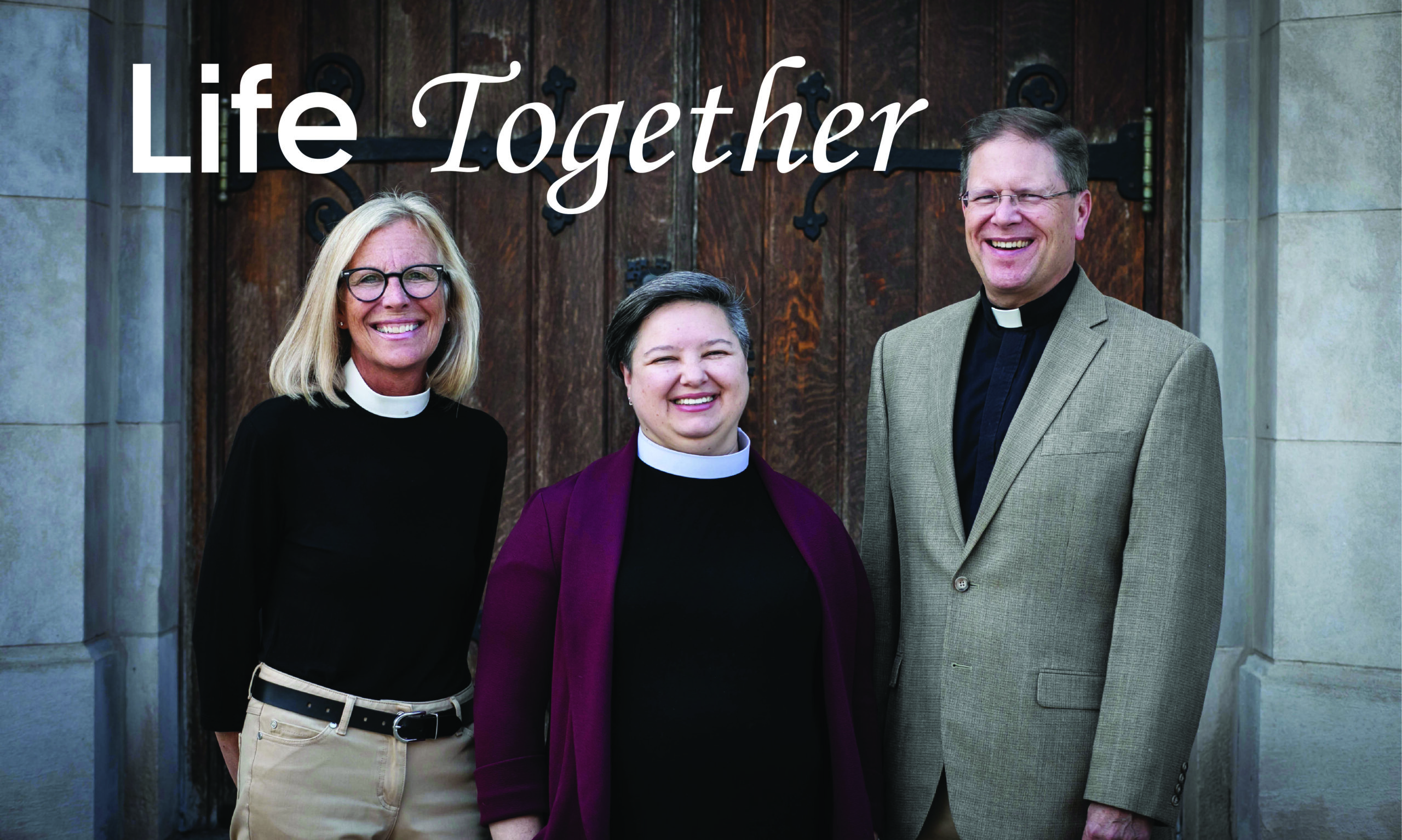
You are invited to the Annual Church Picnic this weekend, following the 10:30 a.m. worship service. It is a moment to slow down into the gift of our life together.
This week in worship we’ll hear the story of Jesus at Caesarea Philippi where he asks Simon Peter, “Who do you say that I am?” Simon Peter and the disciples, having been formed and reformed by Jesus throughout their travels and ministry, are asked to articulate what they know about the identity of Jesus.
Where do you find yourself at this time in life? In general, younger people tend to look forward to the future, to what opportunities might lie ahead, what decisions to make that will impact life, relationships, and faith. Conversely, those later in life tend to look back in time,
Every morning on this training/retreat, I offer centering prayer. Some of us sit together and hold space for God to speak. God can surely speak through our clamoring and clanging, but I know that I won’t be able to hear God if I can’t be quiet and still for a moment.