

One of God’s smallest creatures has one of the largest influences on our environment. Bees act as the world’s primary pollinators for over 75% of flowering plants and 35% of global food crops. Their removal would cause ecosystems to collapse, making their protection crucial for the environment. Here are five ways bees are necessary for the environment:
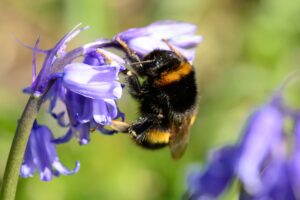
- Ecosystem Health and Biodiversity (supporting natural habitat)
- Economic Value (increased crop yields)
- Foundation of Other Industries (honey, beeswax, royal jelly, etc.)
- Environmental Indicators (a crucial indicator of the overall health of the environment)

Native bumble bee species have declined precipitously since 2000 due to pesticide use (especially neonicotinoids), habitat loss, disease, and climate change:
- 25% of native bee species found in the 1990s could not be found in the 2000s, indicating a massive loss of biodiversity
- 87% of our Minnesota State Bee, the Rusty Patched bumble bee, have disappeared from their historical range, putting them on the endangered species list
- 90% of the American Bumblebee (Bombus pensylvanicus) have disappeared overall nationwide, while in 8 states it has totally disappeared.
What you can do:
- Plant a variety of flowering species native to Minnesota to provide pollination and nectar to bees throughout the growing season.
- Leave leaves, stems, and open soil in your yard for them to nest and raise their young.
- Refrain from using pesticides as much as possible.
As a new buzzword (pun intended), bees “punch above their weight”.